IV Therapy Safety: Screening, Vital Signs, Sterile Equipment, and Licensed Care
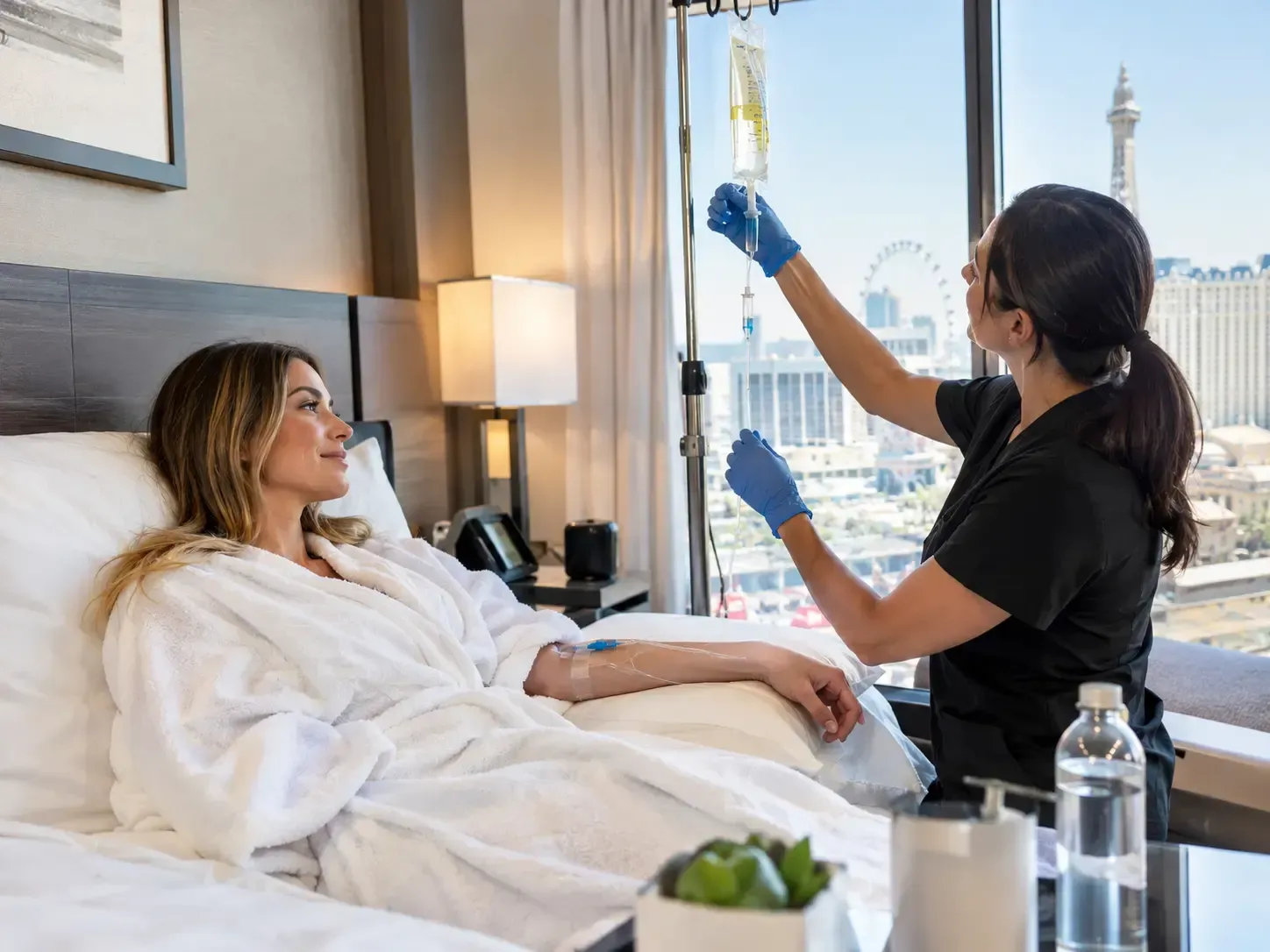
Visitors and residents in Las Vegas, Nevada need clear answers on how mobile IV care stays safe. Las Vegas Mobile Hangover IV uses clinician screening, vital-sign checks, sterile gear, and licensed staff before any treatment packages. Safety Protocols guide who qualifies, what is monitored, and when care is deferred so hydration support stays appropriate and controlled.
Key takeaways
- Licensed clinicians screen history, meds, and symptoms before any drip.
- Vital signs are checked and documented at the start of care.
- Sterile, single-use equipment reduces contamination risk on site.
- Care is withheld or redirected when screening flags a concern.
What screening happens before a mobile IV starts?
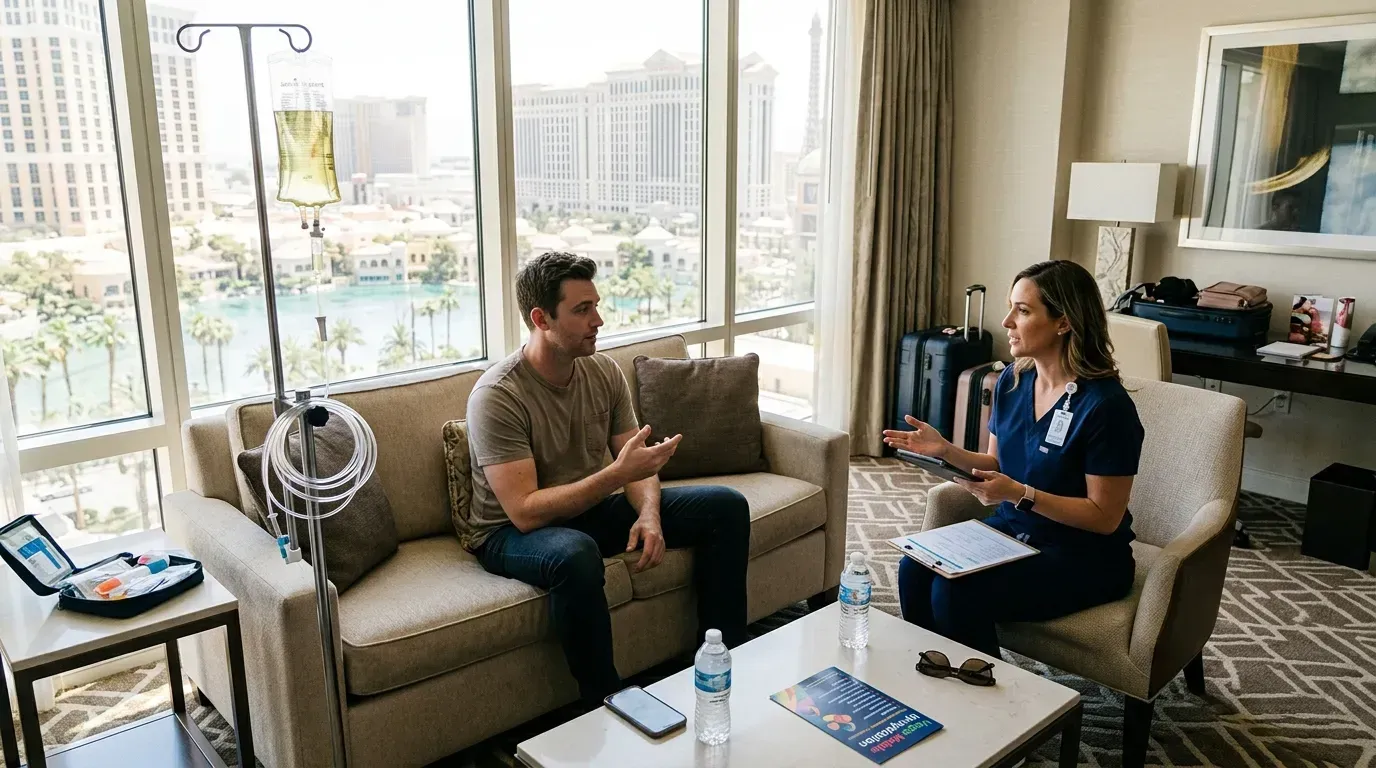
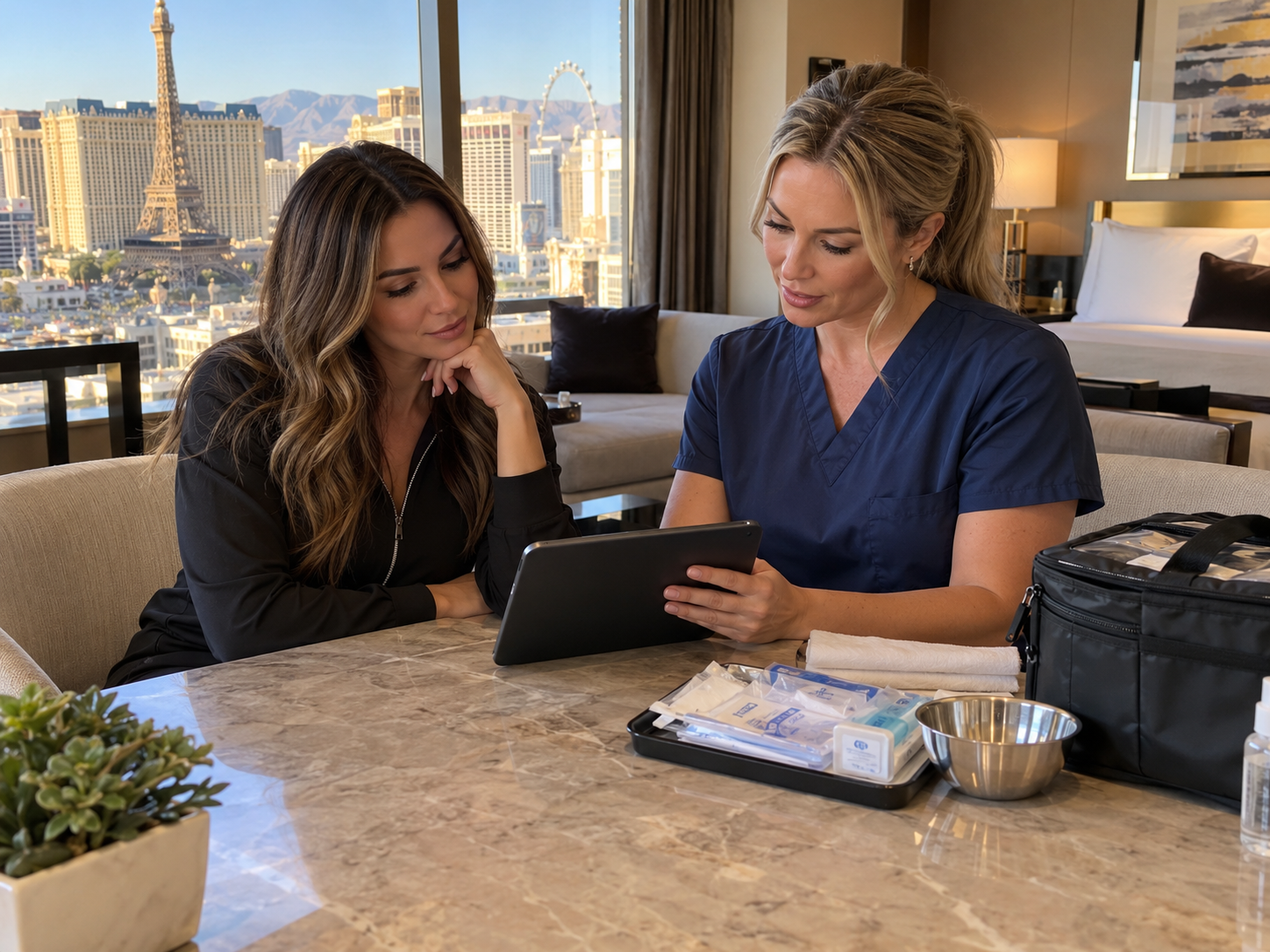
Clinician screening in Las Vegas, Nevada reviews symptoms, allergies, medications, alcohol intake, and basic vitals so only appropriate candidates receive fluids; unstable findings pause treatment and point people toward urgent care when needed. Expect questions about heart, kidney, and seizure history, plus current hydration status. Licensed staff decide fit on site, explain limits in plain language, and keep sterile setup standard. If you want next-step scheduling after you understand the process, contact the team to request clinician-led screening.
Which Safety Protocols matter more: screening, vitals, sterility, or license checks?
Safety Protocols rank screening and licensed oversight first because they decide whether a drip proceeds at all, while vital-sign checks and sterile single-use gear protect the session once care is approved; together they keep mobile hydration controlled for Las Vegas, Nevada visitors and residents rather than treating every request the same. Deferral is part of safe practice when findings are unstable.
| Protocol layer | Best for | Watch-out | Who owns it |
|---|---|---|---|
| Clinician screening | History, meds, symptoms, fit | Skipping red-flag review | Licensed clinician |
| Vital signs | Baseline BP, pulse, status | Ignoring abnormal readings | Licensed clinician |
| Sterile equipment | On-site contamination control | Reusing lines or ports | Setup and clinician |
| License verification | Scope, accountability, deferral | Unlicensed “IV parties” | Practice and patient |
Screening and license checks gate access. Vitals document the starting point. Sterile gear limits infection risk during the hang. When any layer fails the threshold, fluids wait and referral guidance comes first. That order is the core of Safety Protocols for mobile care—not speed, not package choice alone.
Which Safety Protocols apply before a mobile hangover IV starts?
Before any mobile hangover IV begins in Las Vegas, Nevada, Safety Protocols require clinician screening of history and symptoms, vital-sign baselines, confirmation of sterile single-use equipment, and verification that a licensed professional will start and supervise the drip; if any check fails, Las Vegas Mobile Hangover IV defers care rather than proceed on request alone.
Screening comes first. The clinician reviews meds, allergies, recent illness, and hydration status. Unstable findings stop the visit before a line is placed.
Vitals set the baseline. Blood pressure, pulse, and overall status are documented on site. Abnormal readings trigger pause, recheck, or referral instead of automatic fluids.
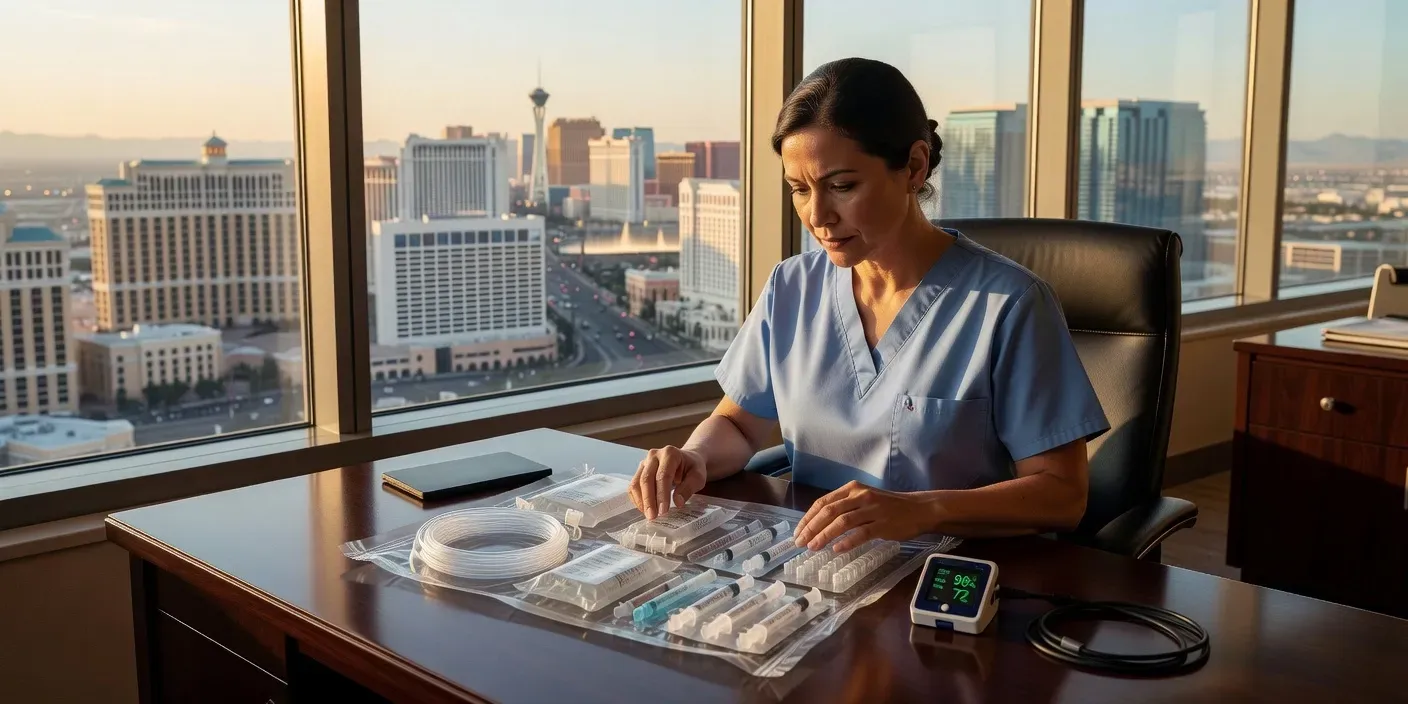
Sterile setup follows approval. Single-use catheters, tubing, and antiseptic prep reduce contamination risk in hotel or home settings. Reused gear has no place in mobile practice.
License checks close the gate. Only scoped clinicians start and monitor the drip. Guests comparing treatment packages still pass the same thresholds.
When you need a screened visit, contact the team to schedule clinician review before arrival.
Why Safety Protocols Matter On Site
Safety Protocols protect guests when IV care moves into hotels and homes across Las Vegas, Nevada. Screening, vitals, sterile gear, and license checks form one gate. If any step fails, the visit stops before a catheter is placed.
Mobile work raises the bar. Without a fixed clinic bay, every bag, cuff, and wipe must travel sealed and ready. The same standards apply whether the guest is a visitor or a resident.
Screening Before Any Line
Clinician screening reviews history, medications, allergies, recent illness, and hydration clues in one pass. Unstable symptoms, concerning drug interactions, or red-flag complaints end the visit early. Request alone never overrides clinical judgment.
Guests should list prescriptions and supplements honestly. That detail helps the nurse decide if fluids and additives fit the moment. Deferred care is safer than a rushed drip.
Vital Signs as the Baseline
Blood pressure, pulse, and general appearance are recorded before access. Abnormal values prompt pause, recheck, or referral to urgent care. Fluids are not automatic when the baseline looks unsafe.
Portable monitors keep the process consistent in a suite or apartment. Documented vitals also guide how closely the drip is watched once it starts.
Sterile Equipment in Mobile Settings
Single-use catheters, tubing, and antiseptic prep lower contamination risk outside a hospital. Sealed supplies stay closed until the site is cleaned and the clinician is ready. Reused or bulk-opened gear has no role in proper mobile practice.
Hand hygiene and a clean work surface matter as much as the kit. Hotel desks and nightstands get cleared and prepped so the field stays controlled.
Licensed Care From Start to Finish
Only licensed professionals within scope start and supervise the infusion. Credential checks close the safety gate after screening and vitals pass. Guests still meet the same thresholds when they compare options on the menu.
Supervision means the clinician stays accountable for rate, site checks, and stopping if the guest feels unwell. That presence is part of Safety Protocols, not an optional add-on.
Frequently Asked Questions
What screening happens before a mobile IV in Las Vegas?
Clinicians review symptoms, allergies, medications, and recent intake so red flags stop the plan before equipment opens; incomplete answers delay care rather than rush a drip. Screening is the first Safety Protocols gate. Guests should list prescriptions and over-the-counter products honestly. Clear history unlocks vitals next.
Which vital signs must be checked before fluids start?
Blood pressure, heart rate, breathing rate, and oxygen saturation are measured on site; out-of-range values hold the infusion until reassessment is safe. Spot checks protect the patient more than speed. Licensed staff document each reading. Only stable numbers allow sterile setup to open.
How is sterile equipment handled on a hotel visit?
Kits remain sealed and single-use until screening and vitals pass; compromised packaging means a full replacement, not a partial fix. Trays open only after the go decision. Clinicians avoid touch contamination at the bedside. Safety Protocols treat every seal as non-negotiable.
Preferred Source on Google Search
Add www.vegasmobilehangoveriv.com to customize your search feed across Top Stories.